A restaurant fabric has to be beautiful at seven and still standing at midnight, service after service. Behind every banquette you want to sink into is a textile chosen for abrasion, cleanability, and flame code as much as for color.
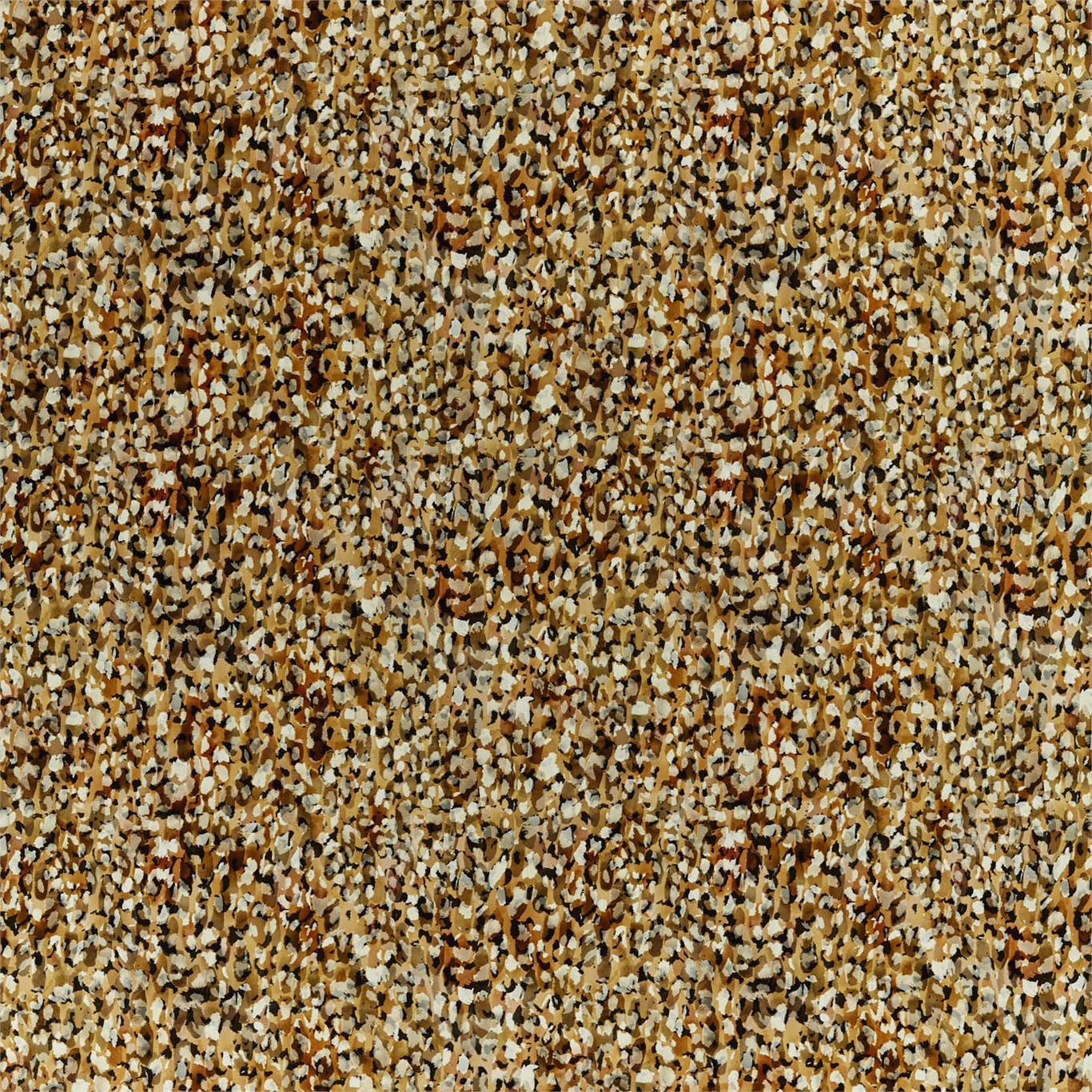
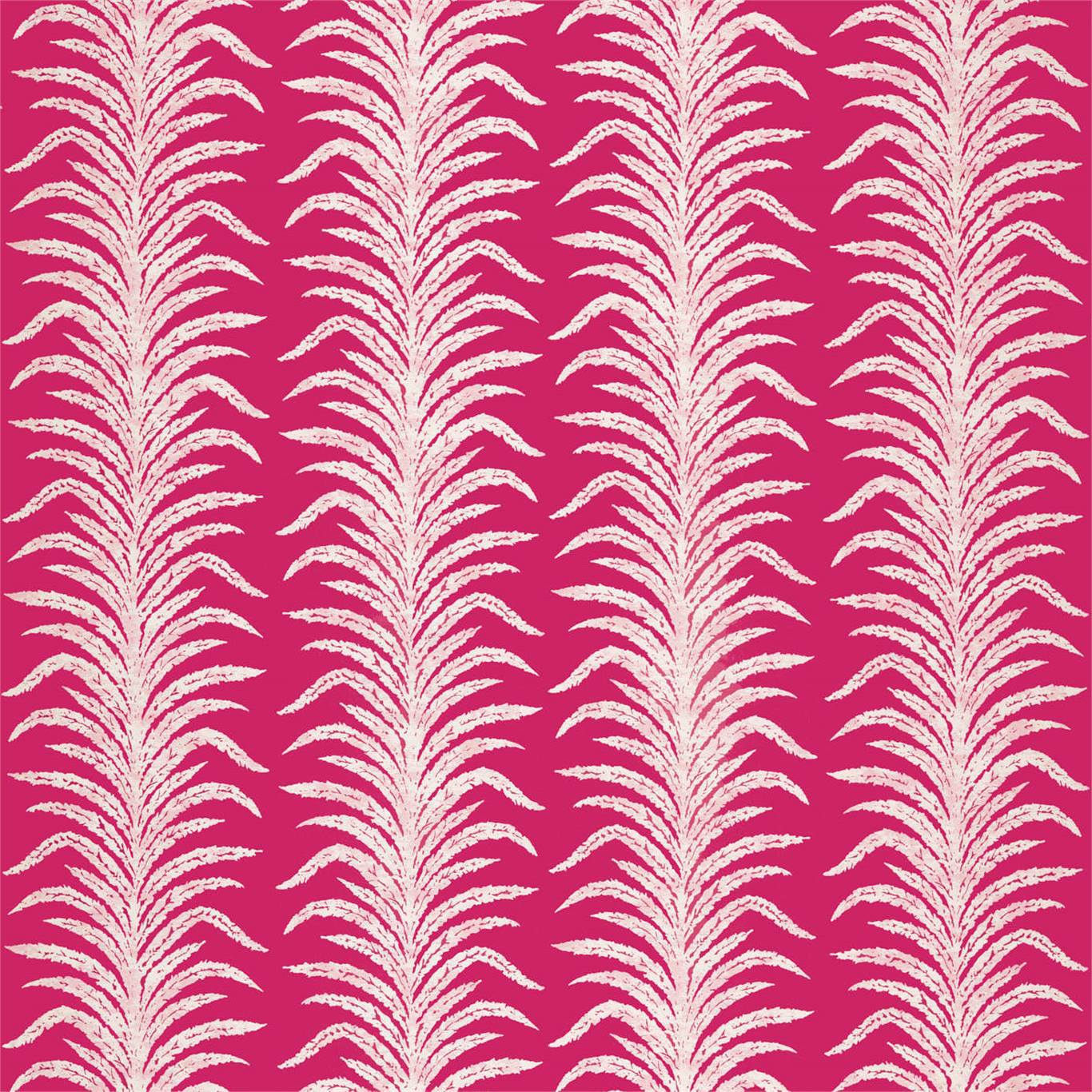
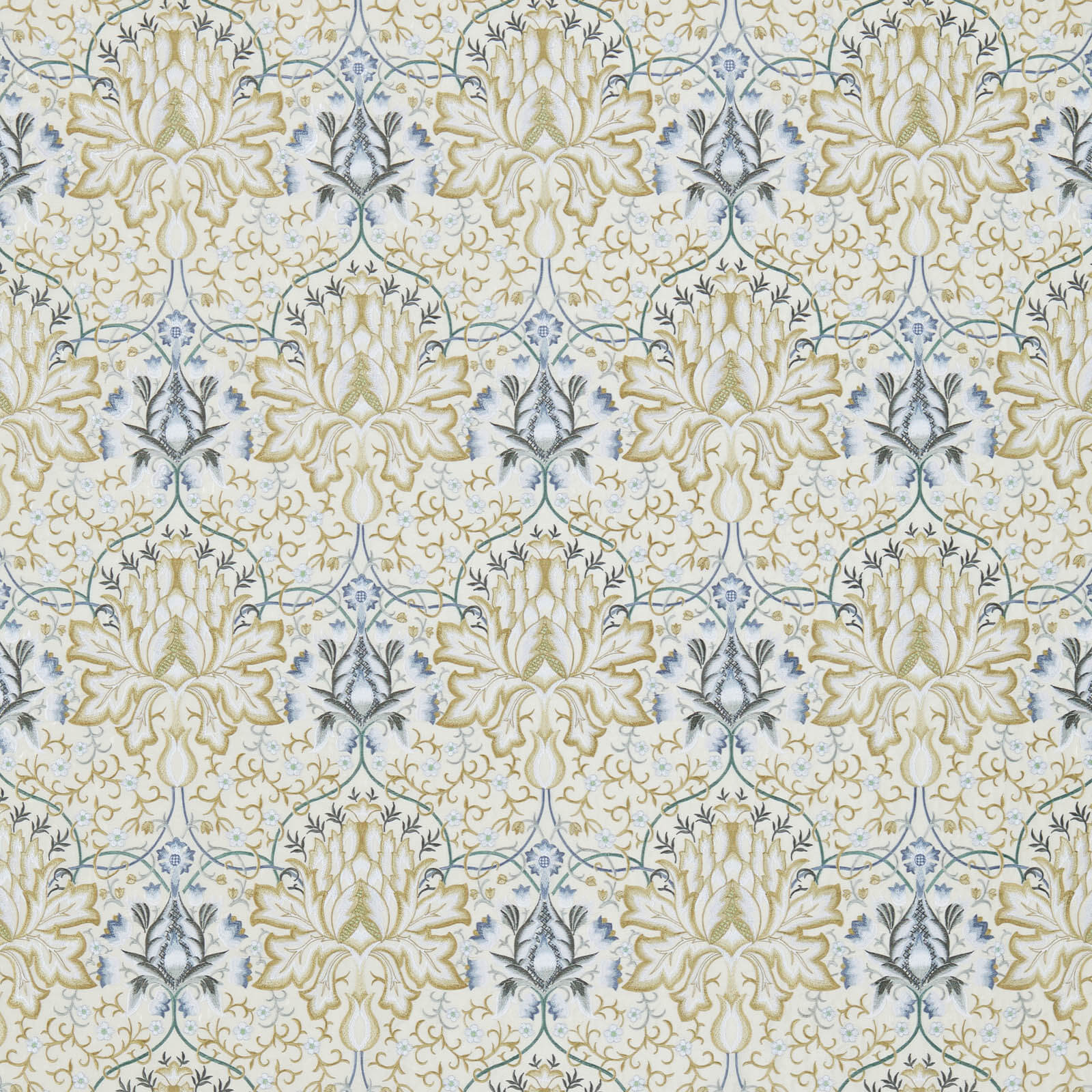
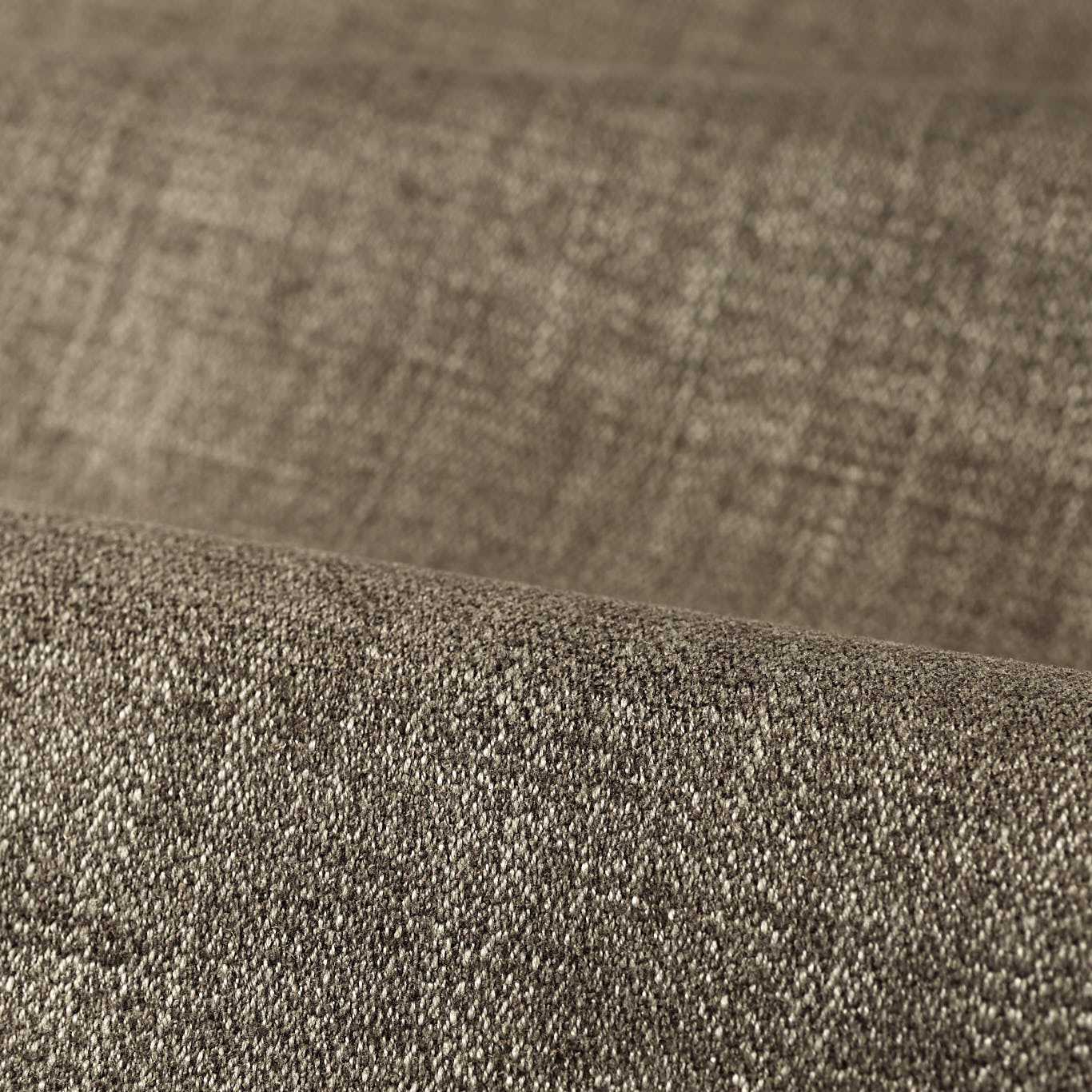
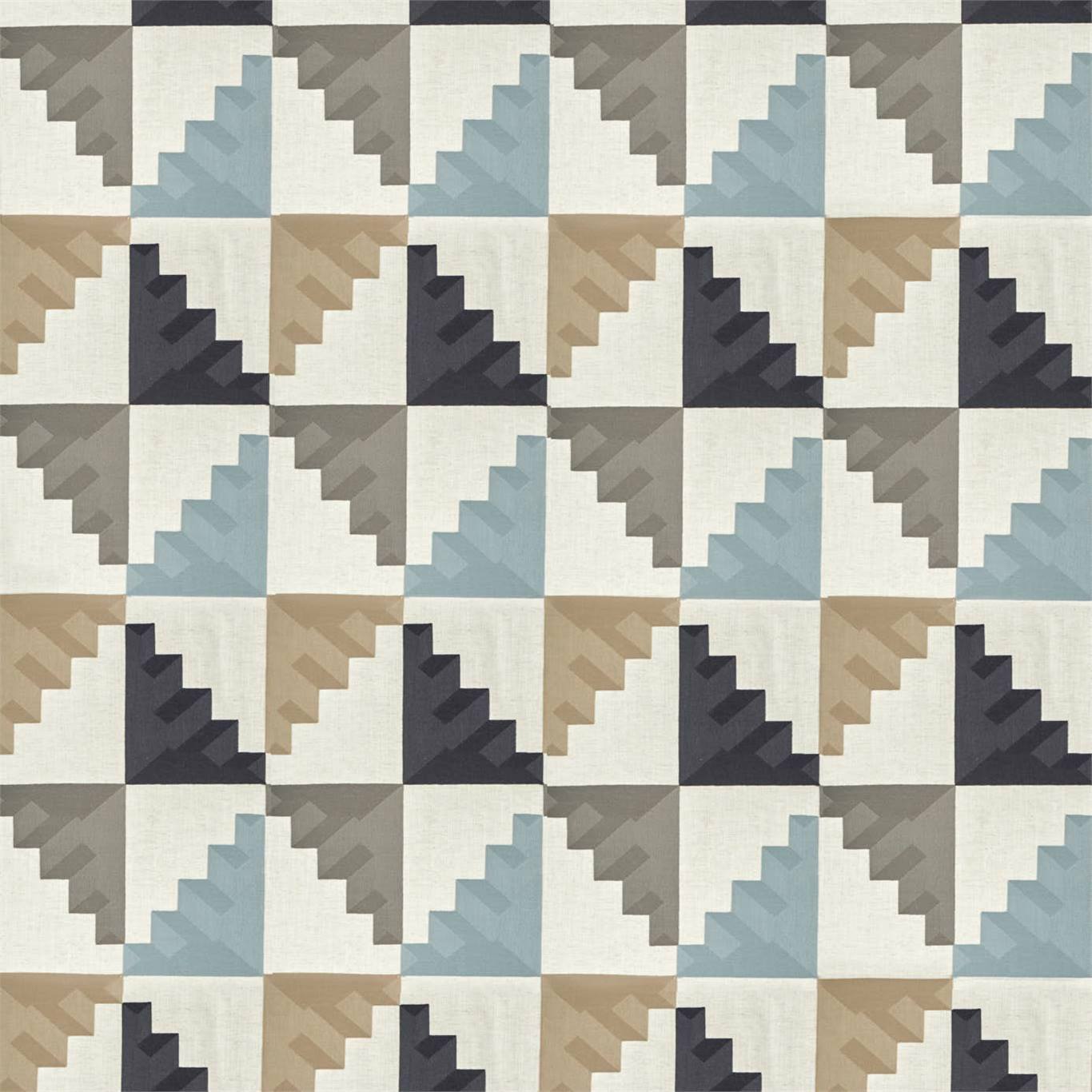
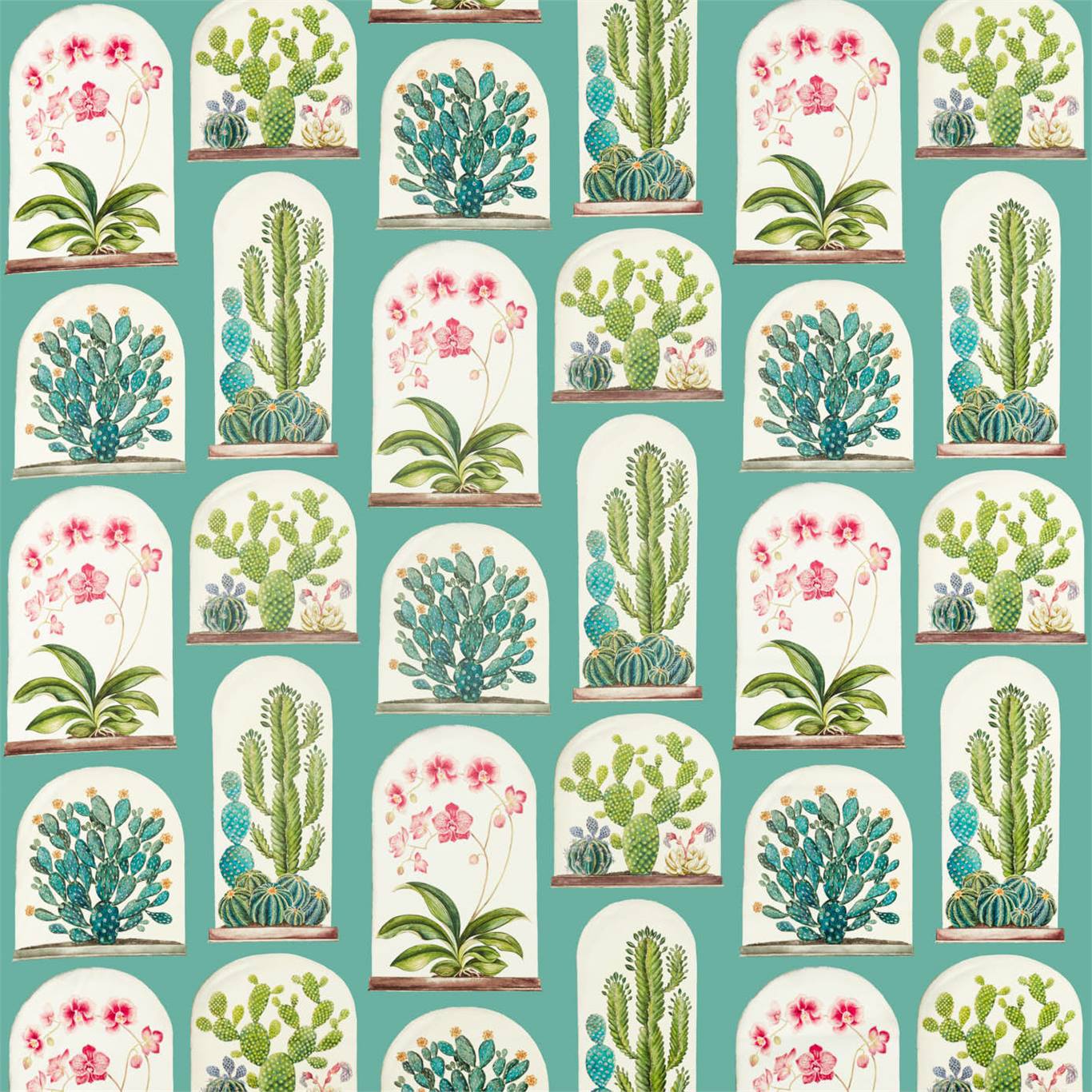
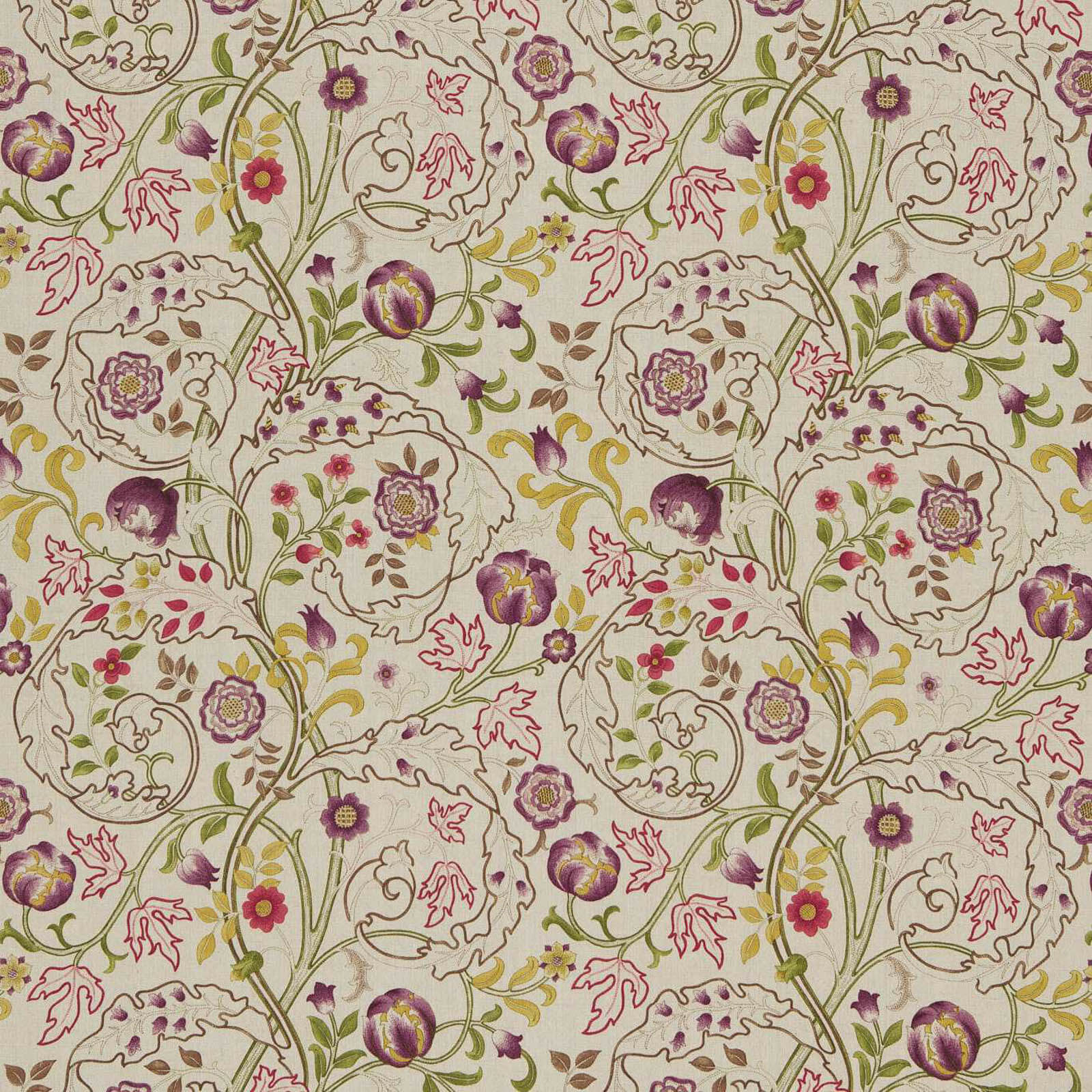
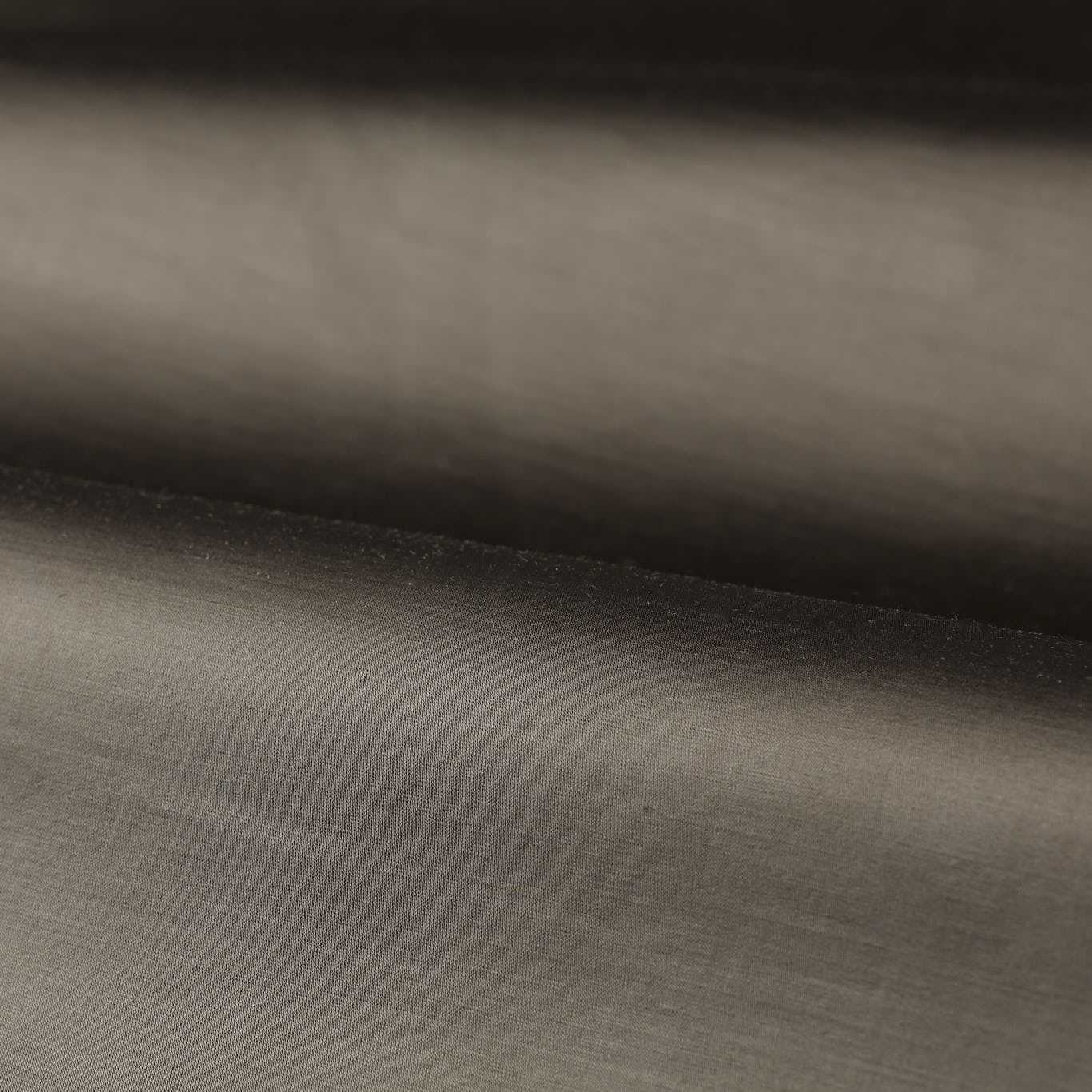

Contract textiles versus residential
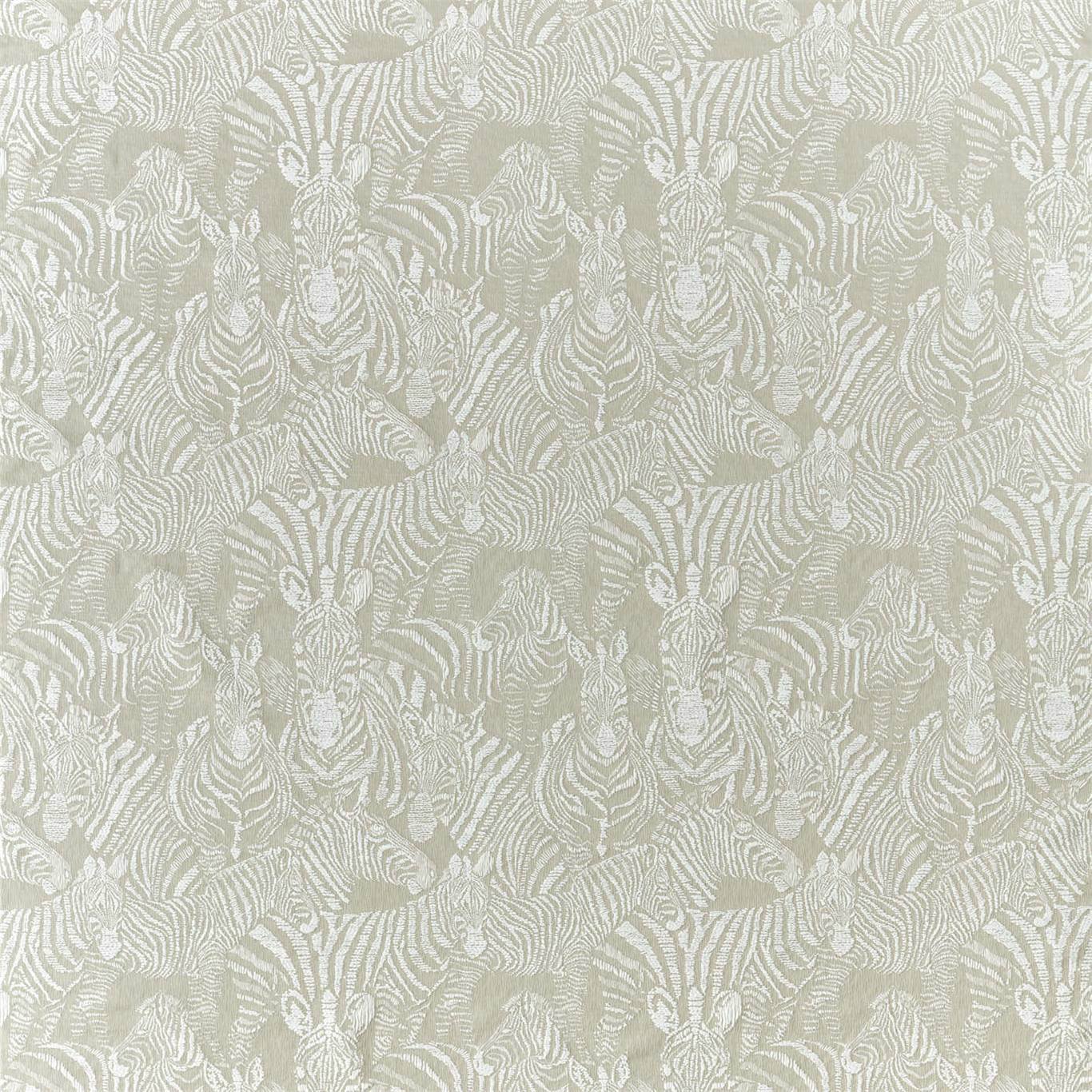
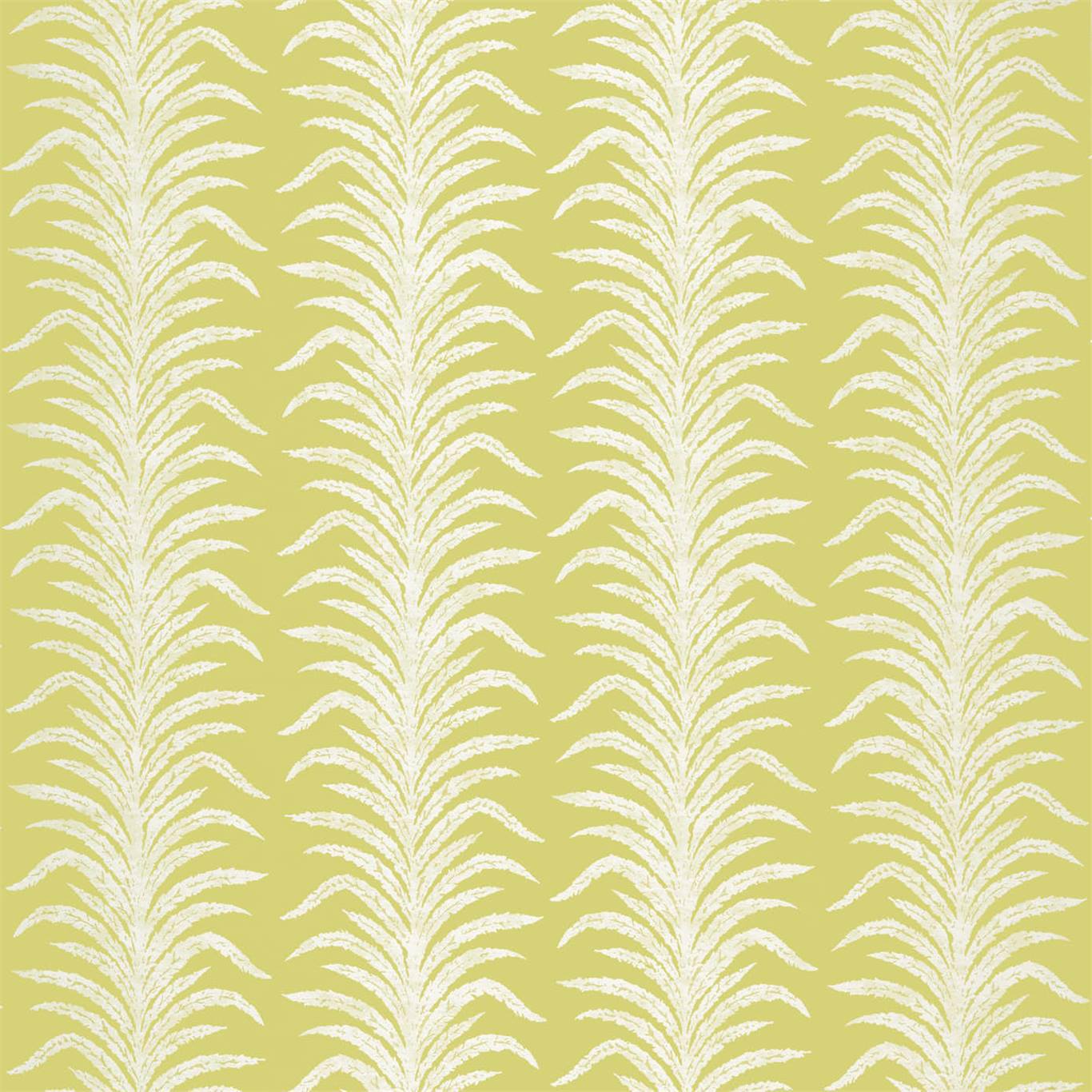
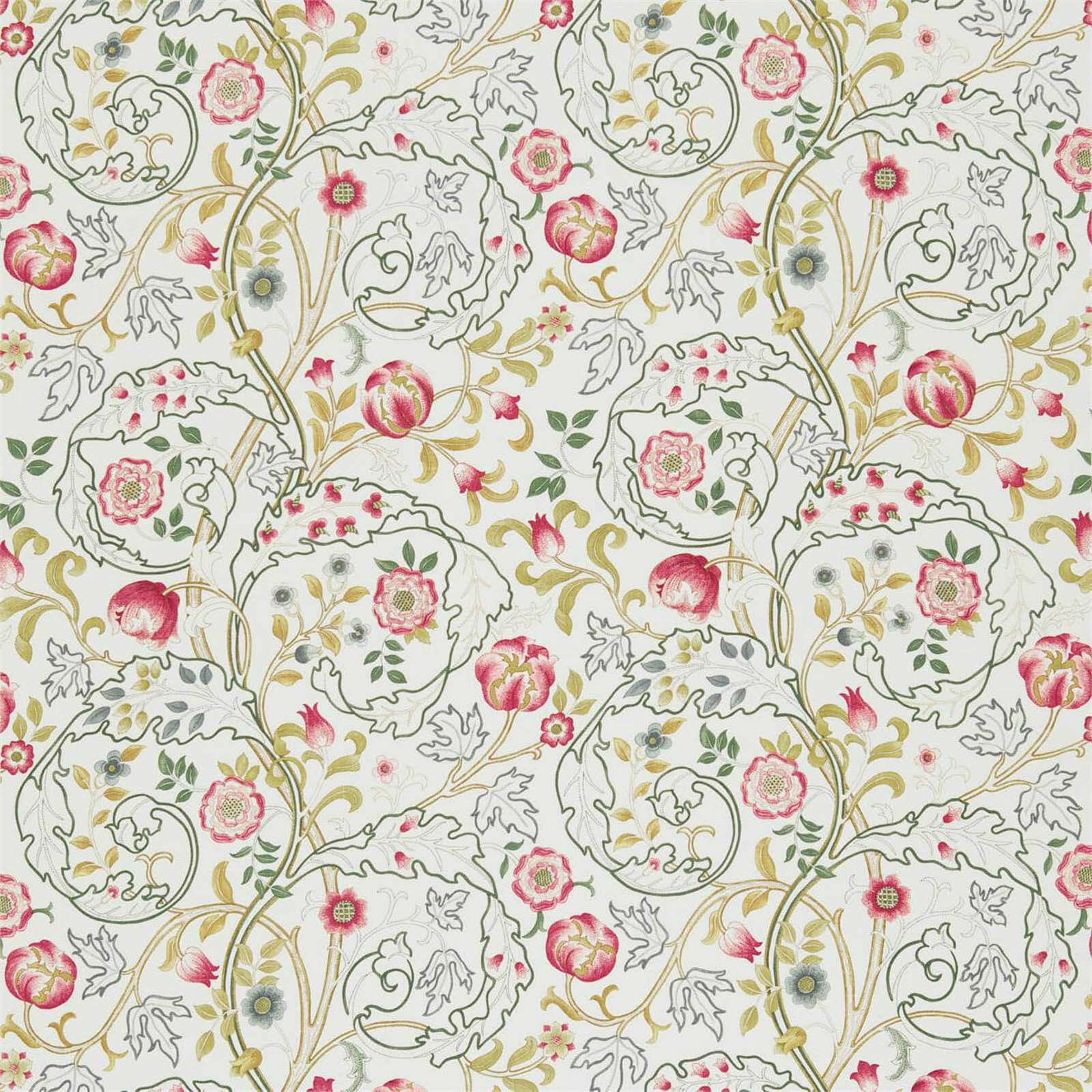
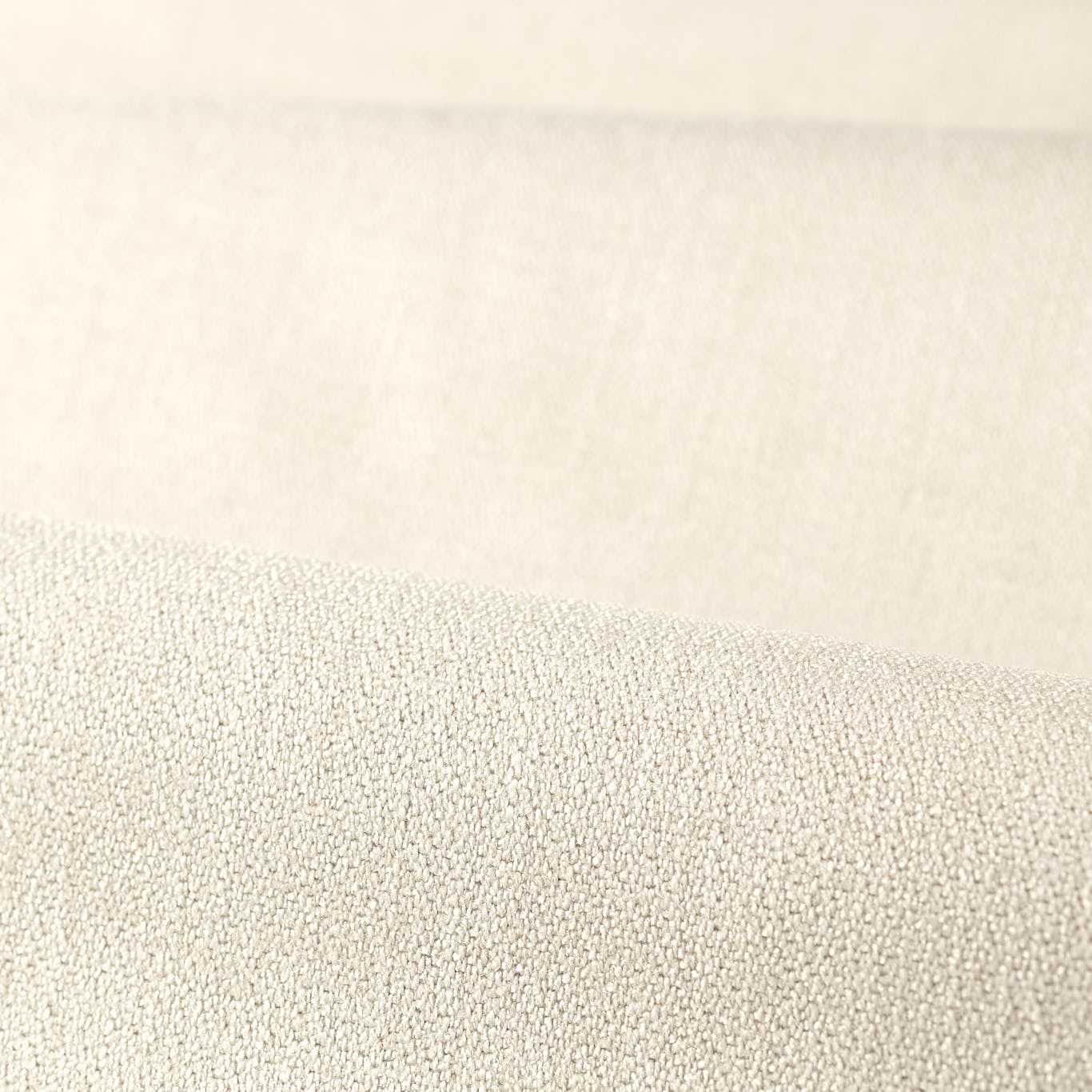
The fabric on a restaurant banquette looks like the one on a home sofa, but it is engineered to a different standard. Contract-grade upholstery is rated for heavy abrasion, tested for colorfastness to light and rubbing, and specified to meet flame codes that residential goods never face. Using a pretty residential fabric on a dining chair is the classic mistake that leads to worn seats within a season.
The headline number is abrasion, measured in double rubs. A residential fabric might be rated around fifteen thousand; a heavy-duty contract seat fabric runs thirty thousand and well beyond. For a busy dining room, specifying to the traffic the seat will actually see is the single decision that most affects how the room looks a year in.
Banquettes, chairs, and drapery each ask for something different
Different surfaces carry different loads. Banquettes take constant sliding and body contact, so they want the toughest abrasion rating and often a cleanable coating or a solution-dyed fiber. Dining chairs see slightly less wear but more spills at the seat, so a wipeable performance fabric or a treated weave earns its place. Each should be specified for its own job rather than buying one fabric for the whole room.
Drapery and acoustic panels play a different role entirely. Here the concern shifts from abrasion to flame rating, light fastness, and how the textile absorbs sound in a loud room. A heavy drape can soften the acoustics of a hard-surfaced dining room noticeably, which is a design lever many operators overlook until the space is finished and echoing.
Cleanability and the daily reality of food service
In a dining room, spills are not an accident, they are the operating condition. That is why performance finishes and inherently cleanable fibers matter so much. Solution-dyed fibers carry color all the way through, so they resist bleaching from cleaners. Coated and treated fabrics let staff wipe red wine and oil before they set. Vinyl and polyurethane seating materials take the hardest abuse in the highest-turn seats.
The practical test is how a fabric responds to the cleaner the staff will actually use, night after night. Ask for the manufacturer's cleaning code before specifying, because a fabric that only tolerates solvent cleaning is a poor match for a room where staff reach for a spray bottle and a rag between seatings.
Quick checklist before you order
- Check the rubsSpecify heavy-duty contract abrasion (30,000+ double rubs) for seats in a busy dining room.
- Confirm flame codeVerify the fabric meets the flame standard your local code requires for commercial seating and drapery.
- Read the clean codeMatch the fabric's cleaning code to the cleaners your staff actually use every night.
- Solution-dye high-wearChoose solution-dyed or coated fabrics for banquettes so color survives repeated cleaning.
- Sample under your lightsView the color in the restaurant's own lighting; warm dining light shifts fabric tone.
Frequently asked
What abrasion rating do restaurant seats need?
For heavy dining traffic, look for at least 30,000 double rubs on the Wyzenbeek scale, and higher for high-turn banquettes and bar seating.
Do restaurant fabrics have to be flame rated?
Commercial seating and drapery generally must meet flame codes that vary by jurisdiction, so confirm the required standard with your local code before ordering.
Can I use a residential fabric on a restaurant chair?
It is risky. Residential fabrics rarely meet contract abrasion or flame requirements and tend to wear out fast, so specify contract-grade goods instead.
Read more
- Double Rubs Decoded: What Wyzenbeek and Martindale Tell You About a BanquetteA banquette in a busy restaurant can see millions of sit-downs a year. Abrasion test numbers predict whether a fabric survives that, but only if you read them correctly.
- The ACT Symbols on Every Contract Fabric Tag, ExplainedThose five small icons on a contract textile sample each certify a tested property against a published threshold: abrasion, flammability, colorfastness, and physical strength.
- Flame Codes at the Banquette: What Governs Restaurant Seating FabricUpholstered seating in a public dining room is regulated for fire. The relevant tests are cigarette-ignition standards, not the drapery flame tests people often assume apply.
- Vinyl, Polyurethane, or Coated Fabric: What Wipes Clean and What CracksA restaurant seat gets wiped with a rag and a spray bottle many times a day. The cover's chemistry decides whether that daily cleaning preserves it or destroys it.
- Banquette Construction: The Seam, Foam, and Fill Choices That Outlast the LeaseA banquette is built once and sat on for a decade. The fabric gets the attention, but the seams, foam density, and moisture detailing decide whether it survives the lease.
- Drapery, Panels, and the Soft Surfaces That Tune a Dining Room's NoiseA hard-surfaced restaurant is a loud one. Fabric is one of the few tools a designer has to pull the room's noise back down to conversation level.